Transcript#
This transcript was generated automatically and may contain errors.
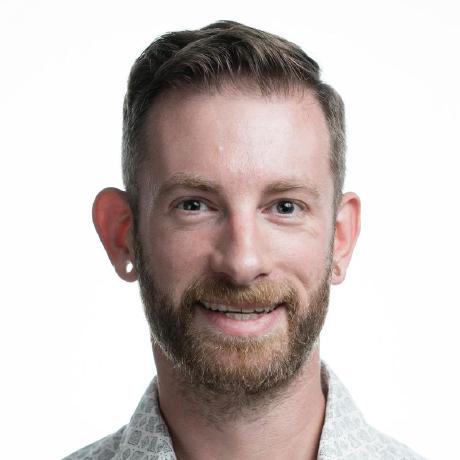
Welcome to the test set. Here we talk with some of the brightest thinkers and tinkerers in statistical analysis, scientific computing, and machine learning. Digging into what makes them tick, plus the insights, experiments, and OMG moments that shape the field.
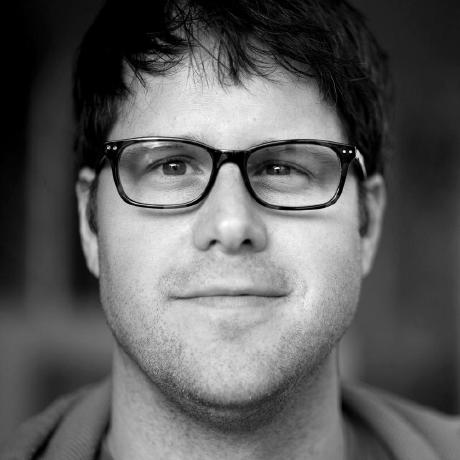
In this episode, Michael talks with quote-unquote final boss, Greg Swinehart, designer at Posit since before it was Posit. He tells the story of his first rstudio.org mockup getting turned down for looking too hot, and gets into why the best design would have no words on it at all. Also featured, Greg's own podcast, where a bus jumping 50 feet is kind of the great bad movie game.
Welcome to the test set. We're joined by Greg Swinehart. And Greg, you're a designer at Posit, but I like to think you're the final boss.
Exactly. People just got to hear from Joe Cheng. You know, we've made our way through Hadley, through Wes, through Tarif, the CEO. And now we finally land at you. We got you.
Oh my gosh. We have made a massive mistake.
We got you. Greg, you've been at Posit for like a pretty long time too. So I'm so excited to talk with you about design, everything you're up to, and sort of everything you've seen. I feel like for so much of Posit's history, you've been around and cooking on stuff. So thanks for so much. Thanks so much for coming on. We're super excited to have you.
Yeah, man. It's good to see you. We should tell everybody what we're doing here too. Like what the idea behind the do this podcast was, well, here's why I'm in my kitchen right now. I'm in my kitchen and I'm listening to one of my favorite podcasts, The Test Set, right? With my friend Michael Chow. And we have this thing that happens in meetings at Posit where we'll be meeting about something oftentimes with Rich, because you guys are working on the great table stuff or whatever. And I'm helping out with stuff there. And you guys are the most fun people to hang out with. I think we could just declare that. You're saying I'm the final boss. You guys are 10 out of 10 no notes, the most fun people to be around. And we'll get like 65% into a meeting. And I'll be like, guys, we have to start talking about the thing we were here to meet about. But I really don't want to. But it was just like, I feel like we could talk forever joking around. And so I was like, hey, what? You know that week at the end of the year where everybody kind of takes a break? Kind of that week before New Year's. It seems like everybody who's using Posit stuff is on a break. People who are working at Posit, they're taking a break. It seems like there's just this collective like, we're just going to take a second. If a test set is coming out, then what if you just talked to like a designer type and joked around? That could be a test set episode.
Yeah. Well, thanks for coming. I'm excited for whatever happens. But I do think it's worth noting like you have been at Posit for so long and have a lot of incredible takes on stuff. So I feel like we're lucky. This isn't just about clowning. You know, we're lucky to have you. What greater way to clown than the Hex sticker? You know, the humble Hex, which I feel like you've been pretty involved with. You're kind of like, are you like the gatekeeper of the Hex sticker?
Hadley's in charge of all the Hexes. Whenever I publish or, you know, write books, I do that under the name Hadley Wickham. But he as a person mostly just focuses on the Hexes, I think. Yeah.
Yeah. Yeah. That makes sense. And by Hadley, you mean your pseudonym, Hadley Wickham.
When you're writing all the Tidyverse packages and...
No, no, no, no. That's, I mean, when I'm writing the books, you know, when I'm writing the articles, the blog posts, what I'm doing is I'm checking in with his sister, Charlotte, who does all those GitHub commits. And we just kind of get on the same page about what it is, you know, the Hadley persona is doing out there in the world. And I write some stuff up.
I love that. I love the idea that Hadley is some person you hired to give, like, keynotes to be the embodiment of the Hadley persona.
Well, we had lots of contenders.
Yeah, but you didn't say Pac-Man theory. He had us at Pac-Man theory, I think, is what happened there.
Yeah, exactly. You're cooking up a lot of Hex stickers, right? Like, are you designing a lot of the Hexes? What are you...?
So early on, yeah, I was doing the Hex stickers. These days, it's very much an AI created, you know, vibe illustrated thing, which is something I'm happy to hand off a bit to AI. Although I think it's just a maddening process trying to illustrate with AI. So I'm often, like, asking AI to do a couple things. And then I'm pulling it out and turning it into vectors and putting it in Illustrator and sometimes Photoshop and, you know, using all of the design retools to, like, actually make it what I want it to be.
But yeah, for the first many years, I was probably one of the main people doing Hexes. I remember the first set we did back in the day. And we were trying to figure out what's with the Hex stickers. And that's when I really got to know Hadley.
Yeah. I remember I forgot that one conference you were like, we had just worked out the Great Tables logo, Great Tables Hex. And I remember you just, I think you just messaged me out of the blue and you were like, this should be holographic, right? Like, it'd be crazy if this Hex sticker wasn't a hologram. And then all I had to say was like, from that time forward, I think the GT Hex was just holographic.
How do we do that? I remember I was talking about like, you know, those stickers when you see them at a different angle, they do different things. They kind of look 3D. I think that's probably what I was talking about. And I called a guy, I think maybe like in Montana, there's like few people who do limited runs of those. And I talked to him and he just said, unless you're doing like thousands and thousands, this is going to be very expensive for you. So I had to abandon that idea. But you know, I love getting the person on the phone.
Yeah. Okay. It wasn't holographic. It was like foil. It was like shiny in the background, kind of like, yeah, yeah, yeah. But that was an incredible level up, I feel like for the Great Tables Hex to take. Okay. So when you're not designing Hex stickers, what are you doing? I know you've got a podcast of your own. Is that, maybe you could tell us a bit.
The great bad movies podcast
We're podcast rivals. Yeah, we're just podcasting like crazy right now. I have a podcast called Great Bad Movies. And it is just a little hobby that I do evenings and weekends with one of my oldest best friends. And what we loved doing back in the day, when we lived together, was we would watch just somewhat ridiculous action movies. That's what we did. And so over COVID, we started recording Zoom hangouts in the evenings and realized, I think this might be a podcast. And it's important to say there's a million bad movie podcasts out there. That's not what we're doing. We only talk about great movies, things that are truly great. The kind of movie where you say, you know what, that movie is actually better than you think it's going to be.
That's our wheelhouse. We said bad because we thought it was funny at the time. What we really mean is kind of exaggerated and ridiculous. Are you saying your criteria for a great bad movie is like, you kind of like on its face, you're like, I don't know, it's going to be bad. And then you're like, dang, that was pretty, that was pretty great.
The truth is, it's really just movies we feel like watching every other week.
It's just straight great. Yeah.
It's just, what do I feel? What will I enjoy? So each episode, we call it a love letter to the most entertaining movies, you know? So it's, what movie do we feel like watching and truly diving into and enjoying? And because I'm kind of obsessed with the creative process, I'm also obsessed with movies and music and just how people end up expressing themselves through those mediums. So I get really deep on who made it, who shot it, what lens they're using, who's the cinematographer, who's setting up the lights, who's holding the camera, in the action movies, the second unit director is the person like, safely doing the car crashes and stuff and filming that. And what I realized was, if you go deep on the bench in these movies, there's really commonality amongst my favorite movies and the people who were deep on the bench, like the cinematographer or the second unit director or the stunt crew.
Yeah, yeah, yeah, yeah. It's so awesome. It's just like when I was little and I was looking at like liner notes for records and realizing, hey, Nigel Godrich seems to be producing all of my very favorite records. I'm going to go through all of Nigel Godrich's records and see what's similar, what's different, what he brings to the creative process for a band. And so that's what I do every day. That's the itch I'm trying to scratch every day creatively. Who's the second unit director you're looking for? Like who, if that second unit director is on it, you, you want to see it? Like who's your,
not to put you on the spot. Yeah, totally on the spot. I'm going to forget their names. It's more like before we record, I realize, oh my gosh, this guy, you know, worked on these other hilariously ridiculous, but also so enjoyable, you know, movies for me. There's a guy named Brad Martin who's done a lot. There's a guy named Sam Hargrave who has done a lot and he's actually kind of a director in his own right now. He comes from, we're going to go, are you ready to go deep? Is this happening? He, he comes from kind of a David Leitch school, David Leitch and Chad Stahelski directed, co-directed John Wick, which is a great, bad movie, a great, ridiculous, you know, it's, it's a movie that a few people saw. And then for the next year you're out with friends and somebody says, have you seen that? That was, that was better than I thought it was going to be. You know, there's something about it.
So Sam Hargrave and David Leitch, they worked together on a lot of the Marvel movies early on, kind of those crazy stunt sequences in those movies. Some of the Bourne kind of identity, Bourne supremacy, ultimatum kind of worlds, that crew was around. You start noticing deep on the bench, like, hold on when these people are around, it creates a really incredible viewing experience. You know, I love that you did a deep dive into the side of the credits. Most people have kind of like gotten out of their seats by you're like keyed into this dimension that is like easy to miss. If you're just looking at the director, you know, and not the second year director, you're like missing out.
Gosh. The, when I describe the show to people, we've been doing it for, I don't know, two and a half years now. I talk about the movie speed from the nineties, which had Keanu Reeves and Sandra Bullock. And it's a great, bad movie quintessentially because first of all, it's directed by the cinematographer of diehard, which was a big action movie kind of back in the eighties. I'm sure people have heard of it. And so cinematographer Yonda Bond steps up to the plate and decides to make speed. It's a movie where they're on this bus. And if the bus goes less than 50 miles an hour, it's going to, it's going to blow up. Another characteristic of great, bad movies is if you, if you say the plot, you can't say it without laughing. It's gonna that's. So this movie is already ridiculous on its face. Right. But it's also filmed in this way. That's like, oh my gosh, there's like true talent going on here. And in some cases, despite some of the performances in the movie, it's still so entertaining. And then there's this moment in the movie where the bus has to jump 50 feet. It's driving down this highway and the highway isn't finished and it has to jump 50 feet. And that is the kind of moment that I look for in a great, bad movie where you have to say to yourself, okay, that bus just jumped 50 feet. That's ridiculous, but I'm into it. If it's that moment where it's like, I'm on board, let's do this. So that's a great, bad movie quintessentially.
okay, that bus just jumped 50 feet. That's ridiculous, but I'm into it. If it's that moment where it's like, I'm on board, let's do this. So that's a great, bad movie quintessentially.
It's incredible. I actually love that description of it where you're like, this thing that happened, if I take it seriously as absurd, but I'm still into the movie as a whole, you know, like if it hits, it hits that bus, jump 50 feet. And I'm here for it. Or like, um, I, I, I feel like, did you have the movie face-off on your list? Was that?
Like that, I don't, that reminds me of that even just out of the gate where you're like, well, they trade faces and then you just.
Face-off is the kind of movie where it should not work on paper. If you described it to me and say, that's a movie I'm going to run the opposite direction from. Um, but there's something about Nicholas Cage, John, uh, oh no, Travolta, John Travolta. Um, and quintessentially it's John Woo behind the camera coming to America and making movies and they're just doves flying in the background all the time. There's like 18 different kinds of slow motion happening at every given moment. And it is a ballet.
Connecting great bad movies to Posit
Yeah. Yeah. I love that. I, I feel like I've got to somehow bring it back to Posit at this point in some way. And I'm, I'm going to try this. We can punt, you know, we don't, we don't have to go there, but, um, I feel like, okay. I feel like one thing you tell me about sometimes is Posit back in the day, our studio had like a great bad website.
Is that, does that sound right?
Well, I think what you're thinking of is a story I probably told you about. Um, when back in the day, I think this was like 2011, maybe JJ and Joe, uh, JJ Allaire, Joe Cheng were working on the RStudio IDE and, um, they wanted to make the first rstudio.org. And I had been doing a bit of design for them, um, just for random things here and there, like stickers and shirts, just like the random things, you know, they needed to like bring to meetups. Um, and so they said, can you mock up what the front page of rstudio.org should look like? And so I mocked up something that I thought would work. And, um, and their feedback was, this looks great.
Unfortunately, it's not at all what we're trying to do. This looks like a real software company, and this is just an open source project. And we're not trying to communicate big flashy software company. We're trying to communicate open source tool for people to use and, you know, do data science. And so it's, it was a slightly different thing. And, um, and so it was a really big lesson for me, um, in that you can't just assume all software companies are the same, but also it was a, it was my first experience of hearing what the DNA of the RStudio project was for JJ and Joe back then. Um, and this is before kind of Hadley and Garrett and Winston had been hired.
It, it, I was a little bit embarrassed when it happened because my first two questions when I'm designing for somebody are really communication based questions. I think that's what design is. Um, what are you trying to say? And who are you trying to say it to? And design kind of sits in between those two things. And I hadn't asked them those two questions in whatever year it was, 2011. And so then we started talking about it and that's when we made what was the first RStudio.org, which, um, once packages kind of came in and, and we were, it needed to scale kind of in every other direction possible. We didn't know which direction it was going to go. As far as the user experience goes, we made a second version pretty fast, um, to include, you know, Shiny and the different things that were coming up.
If you had to capture like what, what, what did that audience want that was different from what you had in mind? Like what does an open source audience I think what JJ was alluding to was, um, you know, sometimes you go to like a vaporware website and it's a, it's a startup that's gotten a ton of funding and they have, um, uh, uh, an agency making just the most amazing looking website, but does their software work and will they be around in six months? And they're saying it's free now, but is it always going to be open source or is there going to be a hook? And there's, there's a catch here, you know, um, JJ wanted to be JJ wanted to be completely outside of that consideration. He wanted someone to instinctually know when they got to the site, Oh, this is for me. And this is just a, a usable open source tool that I can use.
Um, and you know, when you, when you're talking about design, this is what I spend all day thinking about design needs to be able to communicate to somebody. This is, this is what you're looking for. If, if you're, if the person that you're trying to communicate to is looking at it. And so, you know, the best design would have no words on it. Um, and it would communicate to, it would say what JJ and Joe are trying to say, and it would be heard by the audience they were going after, um, saying this thing might be for you if you're doing data science in R.
And so, you know, the best design would have no words on it. Um, and it would communicate to, it would say what JJ and Joe are trying to say, and it would be heard by the audience they were going after, um, saying this thing might be for you if you're doing data science in R.
The JJ Allaire patented heat index
And so they really didn't want it to look like a big flashy. Um, the, the word that JJ used is, is hot. I don't want it to be too hot, which I, I now call the JJ Allaire patented heat index. Because, uh, I had been in a million design review meetings at agencies and whatever, I'd never heard the word hot. And I just couldn't believe I had never heard this term. It's so perfect. And I, especially I told them this right away, I really can't wait for you to just say, it's too hot, Greg. It's too hot. I can't wait for JJ to yell that at me, turn it down, turn it down.
So, um, so when I look at Posit's brand or any brand, you know, there's, there's, there's a temperature to it. And when it's really hot, it's probably trying to reach you know, an expensive audience. And when it's colder, it's more technical. And, you know, my people that I feel like I'm trying to reach in the world, they're the technical people who are just trying to do some data science. They're just trying to communicate some findings that they've got.
How Greg got into design
It's incredible. Wait, how did you, and how did you get into design? Uh, I was, I was in a band. I was, I came from music. And when you're in a band, um, you need shirts, you need stickers and, you know, eventually you need albums. Um, and then if you're putting out the albums out in the world, um, someone needs to make ads for those albums. So throughout that process, I was learning about screen printing and, and design and print and digital stuff. And I just kind of learned what vectors were, what pixels were. And, um, it was so much fun to alongside playing drums in a band and kind of being a co-producer with, and with the guys that I was in the band with. Um, we also got to express ourselves visually with shirts and albums and, uh, and things like that.
So that was, um, that's where it started. It was out of necessity. We had a show, I had booked us a show and we needed posters around town, so I need to make a poster. That's where it started. Yeah. I love that kind of like, but you're like, you're in a band now you need like t-shirts and signs and now you like need to put them up and like the whole, and now you're a designer basically. Yeah. I don't know.
Well, I lived with, I lived with a guy who had gone to art school and became a graphic designer. And, um, his name was John and he was the guy in high school who was the best painter and also the best athlete. And he could navigate those two worlds relationally really well. And he was talented in both of those worlds. Um, and so he was actually, he had gone to art school, became a graphic designer, really disliked graphic design because it wasn't art. And so he bought an easel and got a different job. So he would go to his job and then he would come home and he would paint. And that was the best case for him. But, uh, I was living with him and I was starting to do this work and he said, you're really like, you're doing graphic design. Uh, I can teach you some fundamentals if you want. And so for the, for the next like year, year and a half, he would kind of pace behind me and introduce new, you know, theories or tools or whatever, whether it was like specific to the software or just an overall vision kind of scenario, um, for where something should go. And he kind of taught me the fundamentals of what he learned in art school and what he learned as a graphic designer. So he's the reason that I'm a designer.
Getting involved with Posit
Yeah. Yeah. That's wild. And how did you, how'd you get involved with Posit? What was your Posit connection? So I went to a birthday party with my wife one night and it was a guy that we knew only sort of, well, we were just getting to know him and at this birthday party, um, there were like 50 people there and it was at a restaurant. So think about this, like 40 or 50 people at a restaurant. And rather than being at a bunch of different little tables, what they did was they put one long table together, which is worst case scenario, because what if you sit across from, you know, somebody you don't feel like hanging out with. And it was on the other side of the table from my friend who it was like the only person I knew in the room. So, uh, we sit down at the table and we are across from Joe and his wife, Amy Chang. And over the course of the next hour or two, I don't think I've ever laughed that hard in my life. Like you guys, you know, Joe, he and his wife, it was so funny. And, you know, sometimes you walk away from something like that, you get in your car and, and you kind of go, should we try and get their phone numbers? Like, should we try and see those people again? That was a lot of fun.
And so after that, uh, started hanging out with Joe. And so I knew Joe while this was all going on, um, as kind of the IDE was first getting started and he and JJ were working together. Yeah, cool. Um, yeah. What was it like working with them? Cause what was, wait, when you started working with Posit, what, how big was it? Like, what are we talking about? Like how many people? It was two or three people. Yeah. Wow. Yeah. Okay. And Hadley hasn't joined yet. Is that right? No, no, no, no. Yeah. It wasn't, it was an open source project. It wasn't a company yet. Um, and so in working with them and then when Hadley and Garrett and Winston, they were kind of, uh, employees four or five and six when they came along, I was meeting with them quite a bit cause they were, we were trying to communicate more stuff on the website. Um, it just kind of became clear that whoever worked at RStudio, I really enjoyed talking to.
And so, um, I don't remember what year Tariff came on board and kind of started turning it, you know, shifting from an open source project into a company, um, to make it a sustainable open source project. Um, when that happened, there was, there was now a couple of marketing people who came in, um, and those people were the greatest people I'd ever met in my life. And it was just like, Oh my gosh, every time I meet with anyone at this company, when they get more people, they're also still great. And so, um, my wife and I had started a design little shop out of our house and that was what I was doing full-time. And so I had a bunch of different clients, um, somewhere in Boston. I live in Seattle, so a lot of them were in Seattle.
Um, and I just learned that when I'm working with RStudio, I'm having a great time and it's these people are really, not only they're like the smartest people I've ever met in my life, but also what they're trying to do, uh, seemed really thoughtful and noble. I got on board really quick. And then when I started hearing from them who they were meeting that was using the software, that's really what sealed the deal. Um, when they said, uh, you know, I'm meeting people who are using this stuff. I'm like, they're legitimately doing some incredible data science with it and really kind of moving the needle towards good in the world that really puts enough gas in your tank for another year, you know? Um, so that became the full picture.
And in 20 that, so that was, I started working with these guys like 2011, 2012, and then the company was growing. I was kind of like doing design stuff for Shiny DevCon, the first conference. And then, and then RStudio conf started happening. So I was doing that stuff. Um, and then just kind of whatever marketing stuff they needed, like, you know, brands, the RStudio brand, um, the, uh, like trade show booth stuff, you know, whatever they needed, it was always a joy. And not all my clients were a joy. And, um, there was a day where I was talking to one of my clients was, uh, I won't say who, but like a massive, um, pharma company and wonderful people. But some of the things they said about the things they were dealing with, you know, um, really made me think, who am I, who am I, who am I giving my talents to here? You know, talent, I say talent in quotes, but like, who am I giving my time and energy to?
Um, and I was doing a lot of work with chemical companies as well. And so I was working with these massive brands and I, it was just kind of, I don't know, disheartening, I guess is the word. And I, my office is in our backyard and, uh, I walked in and, and my wife, Nicole kind of said, what's that look on your face? I just said, I didn't, I think, I think we're going to need to start thinking about like who we're giving our time and talent to here. You know, it just seems like we're making money, but at what cost. And she said, well, at least you always have RStudio. You love those people. Right. And I just realized this is 2017 and I late 2017 when she said this to me and I started working full-time for RStudio in early 2018. And it's like the joy of my life to even say that sentence. This is the greatest place, um, because of the people, but also because of, you know, the people that we're trying to support with the software.
And she said, well, at least you always have RStudio. You love those people. Right. And I just realized this is 2017 and I late 2017 when she said this to me and I started working full-time for RStudio in early 2018. And it's like the joy of my life to even say that sentence.
Favorite projects: Shiny and Posit Connect
Yeah. Yeah. It's so interesting hearing about kind of how you, how you got there. Do you have like a favorite project you've worked on or like a favorite thing? Like what's your favorite thing or set of things you've cooked on? A couple of years ago, um, we decided to kind of open the UI lid of Shiny and, um, we got to kind of do a new take on that after 10 years of it being essentially looking the same. And I mean, the people who are using Shiny are the people that I, you know, wake up every morning wanting to help out, um, make their lives easier. And so, um, that was incredible mostly because, um, it was a great challenge and the people, you know, Carson, Garrick, Winston, Joe, all the people who are working on the, on the Shiny team. It was just like, well, these are my favorite people as well. It's so fun to hang out. Um, and so Shiny was a really big deal for me because that was kind of like, you know, who I wanted to support by working here.
Um, the people using Shiny, um, I have, um, and, and the last two years I've been working on Posit Connect as well. I kind of have one foot in, uh, the open source world here where I'm helping out in all kinds of different ways. And then I'm also helping out with how Posit Connect looks. And another thing that kind of hadn't had a lot of UI UX, um, work done on it in 10 years. And so it was kind of a similar situation to Shiny. And again, every corner of this company that I go to, it's like, well, these people are amazing. How did this happen? You know? So, um, so it's been the joy of my life to work on Connect because, you know, people in big organizations, they need some security for their Shiny apps, you know, their Quarto apps, all that. — all that, all those scenarios. So, you know, I feel like I'm still getting out of bed every morning, you know, helping the people who I'm trying to help, no matter what I'm working on.
Yeah. And it's, it's interesting too, didn't you, you gave a talk on your Shiny, Shiny design stuff, right? Like at PositConf 2022 or 2023? Yeah, I think it was 2022. Yeah. I, yeah, I did kind of a, I did a before and after right after I had gotten to the Shiny team, we kind of identified what, what we thought we could do. And so we kind of announced what we were working on. And then two conferences later, I, I did kind of a retrospective of what we had done and yeah, my heart was going out to anyone who works at these big organizations and they need to make their Shiny app look like their brand.
And so that was, we made Shiny kind of designable for people. And then, and then hopefully it's something that people don't really need to think about who are at these massive companies or places with really strict kind of branding standards. Hopefully it's not a hard thing for them to do to make it look like their company.
It's cool that you got to like do design for Posit, like on Posit's website, but also like bring design into the tools, like design into the open source tools for other people to essentially like tap good design at their companies. Yeah. The hope is they don't have to think about it at all. You know, it's the last thing I want them worrying about as they're, you know, curing cancer, ending world hunger, you know, just doing the most amazing things you can even imagine. I want them to not have to worry about what color blue is in their, their apps or whatever, you know, I want that
to be the easiest thing possible so they can really focus on the stuff they're there to do.
Yeah, that makes sense. And where you, you've been around since the earliest conferences, like you were there when the conferences first started.
I wasn't there. I was going to be there, but then my son was born. And so, so priorities, we had a, yeah, totally. So our friend Danny went down there to film the first Shiny DevCon. So we have that footage at least, which is great. There were like 90 people there at Stanford at Shiny DevCon in 2016. And then, but yeah, then they just said, we're going to make it a real thing. It's called RStudioConf. And I just kind of went to Starbucks and started designing, you know, what that hotel would look like to the degree that, you know, we could afford for a small little scrappy conference.
You asked what my favorite thing is. I can tell you my favorite thing. I really love setting an overall tone, whether visually and also with, with film and video. But my very favorite thing is operating on a scrappy little crew. A couple of people can come together and just say, we're going to go as fast as we can with the scrappy little crew. And so, you know, I love being with a bunch of like Swiss army knives who just, yeah, I can take care of that, you know? So that's my favorite situation to be in. A couple of people in a room moving fast. That's my very favorite thing.
Okay. I don't want to blow this up, but is there a great bad movie that maybe embodies the scrappy little crew you're trying to be on? You know, I feel like a lot of great bad movies have scrappy crews. So I'm wondering, are you like a fast and furious scrappy crew?
Who, who's your scrappy crew? If you had, uh,
When, when we were getting the gang together for one last job, that's what you're talking about. That's a great bad movie right there. That's every great bad movie.
One more wild ride. You know, who, who's in your crew?
Oh man, I have to pick one crew.
Is it Luda? You know, is Luda?
I mean, Luda and Roman, you know, getting off to their shenanigans. That's really something.
Yeah, I'll just say fast and furious five. That crew coming together is, is going to be the crew I call every day of the week.
I have to admit I invoke fast and furious, but I'm not the most fast and furious literate. Who's who's in five? The rock is the rock at that point or
The rock shows up in five for the first time.
Yeah. Yeah. Yeah. Yeah. So, you know, we're dealing with Michelle Rodriguez, who is incredible and everything. Uh, Vin Diesel, Paul Walker. We got Gal Gadot. Um, we've got Ludacris. Um, we've got Tyrese. Yeah. Oh, it's yeah. Best case scenario. You know, it's amazing.
The scrappy crew origin story
I can't believe we're getting into this. I go really deep on, uh, on ridiculous things like this, but, um, let me tell you where short, where scrappy little crew came from though. Um, when I first started out designing in Seattle, um, a friend of mine was a bartender in Seattle and he said, Hey, there's a guy you need to meet. And there's a guy that wants to meet you. Um, he's an artist. He has an art, like a loft right around the corner from this bar in South Lake union in Seattle. I was like, all right. So I met up with this guy. He was, uh, he was an artist. I want to say he had overalls with paint on them. You know, he was that guy. Um, and he said, all right, let's go come over to the loft and I'll, I'll, I'll tell you what we're doing.
This guy told me a story of he and his partner and two other people had redesigned every Safeway store on the planet. And I was like, what? He goes, yeah, it was my partner, me, this other guy, and then, and then a designer with a broken laptop in a, in a abandoned warehouse in the Bay area. And we redesigned every Safeway and, and it really worked out well because there were only four of us. And he kind of explained how these four people work together. And, but he said, the designer who owned the broken laptop was making sure all the ideas got in visually into what they were talking about. And he said, right now we are talking to Starbucks.
Um, and we are going to turn most of the Starbucks on the planet into one of three ideas. And he explained to me what the three ideas were. It was kind of like a Starbucks that would be themed based on what part of town it was in. Um, and he said, we're about to do it again and we're putting together a crew. We're getting the gang back together. Ludacris is busy. Tyrese, you know, is, is busy filming something. So would you be the guy with the laptop making sure all of our ideas are getting into a design?
And just, I mean, the idea, it was like, it was like the velvet underground playing music for the first time in a, in a garage, you know, it was just like, Oh my gosh. Yeah. Think of what we could do. Um, just the four of us. And so when he described the scrappy little crew to me, I was just like, I'm in. And he said, um, I don't know if it's going to happen. I don't know if we'll need you because there's a chance the Starbucks, you know, corporate, uh, designers will be, will, it will work out, but we're putting together this crew just in case that falls apart.
And he said, we are, we don't know yet. We don't know Starbucks well enough. It might be full of people who are just trying to keep their job rather than do their job. And I think about that all the time. Are people trying to keep their job or are they trying to do their job?
It might be full of people who are just trying to keep their job rather than do their job. And I think about that all the time. Are people trying to keep their job or are they trying to do their job?
And I think in the context of this person, who's like trying to get you in on a heist versus that, like people trying to keep their jobs, but if not, we're going to run this heist, you know, we're going to like redesign Starbucks. We're going to drift around all the corners. You know, we're going to jump a bus. We're going to jump a bus 50 feet, you know, me and you, we're going to trade faces and then pull Starbucks redesign.
Sure. 100%. Yeah. Um, he did call me a couple months later. No, it didn't happen. He called me and he said, turns out the Starbucks people are awesome. We're going to worry. We don't need the scrappy little crew. The people here are amazing. So it worked out. So happy for him. And, but this meeting really kind of changed. This is early on. I had done a little bit in town enough for him to say, I want to talk to this guy, but, um, but it really changed the way, first of all, I never want to be keeping my job. I only want to be doing my job.
And, uh, but also a scrappy little crew and a broken down warehouse, um, is just best case scenario. What, how far, how far and fast can we go and furious? Yeah, that's incredible.
Wow. What's your, uh, okay. I don't want to drag the metaphor out, but which one are you on the crew? Do you think, what's your role? Do you have a sense for like what you bring to the crew? Cause everybody's got a job in a scrappy crew. I feel like, are you the wild card?
I'm the glue. I am the glue. Yeah. I mean, I think that all the people around us, they don't know how amazing they are. And I feel like it's, it's, I just feel really compelled to let people know how great they are often. And I often, I'm usually speaking in hyperbole. A lot of people make fun of me for saying absolutely everybody in a story is the greatest person you've ever met, but I kind of, I kind of mean it.
So, uh, I think my job is to say, listen, I don't think you recognize you are magic and we can do this. And that's huge. I mean, like people need that. I can see the like tasty glue layer being a critical piece and you, you really bring in that.
The conference welcome video
Um, that also, I guess when we were chatting a little bit before this, maybe, maybe this is relevant to, like you mentioned in terms of like really being positive and telling people how important they are for things like conference video, like designing a video for conf. Oh yeah. Yeah. I don't know if this is a good time, but I wonder if that, that just reminded me a bit, maybe you could share a little bit about that video.
Yeah, this, this speaks to kind of the DNA of our company and the organization and the people around us. Um, this was in, um, 2019 we had a conference in Austin and in 2018, um, in San Diego, the opening video to the conference had been, um, a way to welcome people in. And I don't know, there were maybe 40 something people working at our studio at the time. And in this video, they said, um, here's all the languages we speak, you know, verbal languages, here's all the, um, programming languages, data science languages that we, that we speak and we're using. And then I think they, um, and they said, you know, all of this is who we are and we welcome you to the conference. I think that's kind of what the vibe was. And so when I got here to work full time, they said, Hey, we want to make another one of these. We kind of want to build on it. We want the staff of our studio to welcome everybody to the conference again.
And so we, you know, I was like, awesome, let's get everybody to send five seconds of video and I'll edit it together and turn it into the welcome video. And so we asked everybody to send five seconds of themselves in some place doing something that they loved. And so people are like, you know, like jumping out of planes, people are at their computer and their cat is walking over there. Um, their keyboard, people are riding their bike, people are doing awesome stuff and really kind of showing the character of, you know, the people who work here. It was very cool.
And, um, and I got this email from, from JJ Allaire saying, I'm a little concerned about this video. Um, I'd like to talk to you about it. Something seems off about it to me. It's like, yeah, let's talk about it. And he just said, um, I liked the video last year. I'm worried going deeper on that theme, the conference is going to become about us. And that couldn't be further from the truth. The whole reason we're doing this conference, the whole reason we exist as an organization is because of the people who are using the software. And so the shift should be the people who are there, not us. He's like very uncomfortable with us being the star of this thing at all.
And it was such a great, this is the first year that I worked here full time. And it was such a, um, helpful thing to, to get early on that this isn't about us at all. You know, um, it's really about the people who are using the software and trying to move the needle towards good as a result.
And so, um, so we made a video that welcomed them, uh, by saying who they were and it finished the, the video finished with, um, I had taken the first name of everybody that was in the room, uh, from our registration. And literally at the end of the video, everybody's name of everybody who was in the room was on the screen. And it was like, you are the reason we're here, you know, welcome to RStudioConf. And it was, it was a very, um, really teachable moment for me as far as what this, this organization is, um, and what the focus should be.
This isn't about us at all. You know, um, it's really about the people who are using the software and trying to move the needle towards good as a result.
Yeah. It's so cool. I mean, it's so neat to hear how you're able to take that and change it from like, yeah, looking inside Posit to figuring out a way to kind of reflect back to everybody there. I feel like, I don't know, for some, I feel like just putting people's names up is so personal to a whole conference is kind of such an interesting, I guess, design challenge, but it seems like such a nice way to like, yeah, really welcome people. And to your point, like put the focus on them as the, the community is like super inspiring.
The impact of the community
I mean, can I turn the, can I turn the tables on you for a second? I mean, with you working here, you know, you're meeting people who are using the software. What's it like when you meet somebody who's like, do you know, field science has turned into data science and they're working on, um, the coral reef, like the next video, the next welcome we did in San Francisco in 2020 told the story of one data scientist rather than everybody in the room and told the story of one data scientist who was working on the bleaching of the coral reef.
Yeah. You're asking, um, what's it like to run into these people and see like, this is, these are like the problems people in the community are solving. And sometimes they're like, so impactful. Like, um, I mean, I think of like even the cook County, um, assessor's office figuring out like real estate taxes, which involves a lot of actually like historically like disenfranchised communities and, you know, like trying to be fair or kind of like, uh, people in low income neighborhoods, who's like houses get taxed, especially high. Like they, they have a huge challenge or like people from the ACLU have been to conf and I know personally in Philly, a lot of legal orgs that do data analysis for like impactful causes.
And, but, but getting back, like what, what's my like reaction or what does that produce in me? I would say like, I too love a scrappy crew. I would consider myself the wild card. I'm a very, uh, off the cuff, maybe bias to action wild card. But, um, I, I only bring that up because I think when I run into people who are like using our tools for really impactful things, it kind of freaks me out. Like it really brings me back to like being careful. Like I would say in general, like I'm a mover, I like chaos, you know, but when I run into people using these tools for impactful things, I'm like, I gotta be so careful and conscientious and like, I've got to do a really good job for these people.
And I really appreciate that kind of like pull back where I like to, I like busyness and chaos, but when I hit these, I feel way more careful. And like, I have a big desire to like make sure that everything is working out well. And so, I don't know, I really appreciate like being part of Posit and seeing that impact and the kind of what it does to me, you know, I think I find it really soul enriching and important kind of in my like push and pull work.
Yeah. I don't know if that makes sense when you run into someone and you're like, I do, I do not want to mess things up for you. Like I want things to work so well for you. It's just incredibly, I feel like important and kind of grounding. So.
Let me tell one story quick, really quick. So at the conference in 2020, we were in San Francisco and we had this interview booth set up for people to talk about their biggest challenges in data science and also give a synopsis of a talk. Everyone who spoke at the conference went to this little interview booth and I had been working on other things, but they needed somebody to cover and ask the questions at the very end of the week or the very end of the time.
So I go in for this last session and it's the first interview I've done there. And this guy's talking about, you know, the challenges with SQL and what he's using Shiny for and things like that. And he's just awesome. And he works at the, he works at CHOP. He works at the Children's Hospital of Philadelphia. Speaking of where you're, you are right now. And I started crying because he, I just said, the reason I work here is because I want to help sick kids. Like that is my number one thing. And you are literally the reason. And as I started saying this, I just started crying. I was like, you are the reason I get out of bed in the morning because I want you to be able to do what you do.
And it was just this really weird moment. I was like, oh my gosh, why am I crying right now? And he was just the nicest guy. And so, and I kind of learned something about myself as I was saying, like, oh my gosh, I didn't realize, you know, it's weird to say that out loud for the first time. And so then the next day there was a moment where there was like a break in like the main kind of lounge at the conference. And I walked in and I was looking for someone who wasn't talking to anybody yet just to walk up and introduce myself and, you know, say hi. And there was another guy who was walking in and everybody was kind of walking and getting cookies and coffee or whatever. And he walked in and he was kind of eating his cookie and drinking his coffee, but hadn't quite landed in a crew yet. So I just beelined straight to him and introduced myself and said, hi, this guy, really nice guy. And it turned out he also worked at CHOP. And so I was like, oh my gosh, I met your coworker yesterday. And then as I was recounting the story of the day before, I started crying again in the middle of this lounge. I was like, oh my gosh, this is a really deep thing for me. I can say it now because I've told the story a bunch of times, but I mean like the first like eight times I told the story and, but like that's, that's what gets me out of bed in the morning.
The reason I work here is because I want to help sick kids. Like that is my number one thing. You are the reason I get out of bed in the morning because I want you to be able to do what you do.
And I feel like that's the caliber of the people that we work with. That's what they're doing as well. You know, it comes back to, let's think about that person who was really doing something in this world and make sure their life is better, you know, so that while they're doing their stuff, you know, they're supported by us. And I just love that we are an open source project. Anyone can download our stuff, regardless of economic means. And we've figured out how to turn this into a company that sustains that. And it just gets me out of bed in the morning, you know? But yeah, I mean, you're right. It's incredibly grounding and freaky, like just to hit. And I, I feel that too. Like when you hit a really impactful topic, you know, those tears, I feel like it just, yeah, that's, that's real.
The pecan pie heist
You know, uh, 2019, I was in that crowd, you know, I'm sure Michael's up on that screen. There's a hundred Michaels at that conference, but I feel like my big contribution in 2019. And the reason I'm a wild card in, in cruise is that the one thing I remember most from 2019 is that I snuck an entire pecan pie into the final like little party. I can't remember where that little party in Austin was. It was like, um, at like a little club venue with like music and dancing. And I, I don't even remember why I snuck that pie. And I just remember, we like went to dinner and we were walking out and there was a display case of pies and we thought like, why not?
Yeah. But it did, it did come back full circle because, um, I don't know if you remember Sam Towett, uh, I can't remember. I've never said her last name out loud. So I hope that's right. She, her partner was at like, she worked for Posit, her partner was at a Posit event and he came up to me and he was like, you're the guy who snuck that pie into like an event to Posit Conf 2019. And I was like, oh my God, I'd like totally forgotten about that. But that was, that's all to say that was thanks to my scrappy little crew. And that was our heist in 2019.
So can we talk about John Turtletaub, director of, uh, National Treasure for a second? Yeah, but let me just change it. Stealing the Declaration of Independence. We're stealing the Declaration of Independence first, then hearts. I mean, if we're going to do anything, we're probably going to, we're going to, if you're, if you're saying Olympus has fallen, I think we need to call Gerard Butler and we need to like help out the president. Honestly, we're going to need Jerry Butler stat who, by the way, is a, he's a short code to a great bad movie. You need Gerard Butler around. What's, who's Gerard Butler? What's, I don't know what's happening right now. Um, oh my gosh. I don't even know. I don't know where we are, Greg. I don't know. We went through a lot of nice places though.
Finding your lane
You know, I feel like you have been around for so long, so much of Posit's journey. I feel like I would want to be in your scrappy crew a hundred percent, you know? Um, yeah. And I, I really appreciate you talking more about like Posit's journey, the RStudio website, conf, you know, the need to like really, I think turn it back on the audience and what people use open source tools for and, and all the impactful work that they do. I mean, my MO is, um, I mean, I work here on purpose because I really, really like the people that work here and I like what they're doing. And I also really like the people who are using what this company makes. And so it's, it's, it's perfect for me on both sides of the fence. Um, and so I feel like I've hit a perfect lane. I would be designing every day, whether I, I worked here or not, you know, whether I had a job or not, this is just what I would be doing. Um, and so it's really important to me that once you find that lane, it's okay to have fun, you know, like we've been in a scrappy little crew, we've made a couple of things together. This is some of the most fun times I've had, you know? Uh, and so I feel like, uh, it's okay to have, once you find your lane, it's okay to have fun in it, you know?
Um, yeah, I was going to say like, I, I suddenly started thinking about like, you know, words of wisdom to, to wrap up and, and, uh, this doesn't really play into anything we've talked about, but like I was thinking about my dad earlier today and his favorite saying, one of his favorite sayings is people don't grow old, people become old by not growing. And I feel like, uh, that's everyone around us here and everyone we meet through, um, this company. Uh, I feel like everybody's trying to grow up, you know, and it's, it's pretty amazing to, to walk alongside everybody here and, uh, grow up together.
People don't grow old, people become old by not growing.
Yeah. Yeah. It's incredible. I mean, I think that's a great note to end on and something to, to think about. And I think that looking between the lines, like to do it in the service of kind of like this community, which it sounds like really gets you up in the morning. I think it's super inspiring. So I, yeah, I can't thank you enough for coming on and, and Gavin and, um, taking us through all the great bad movies and, and, and what the positive communities cooked up in the last decade and hopefully giving us a sense for, for a decade to come. Thanks, man. It's so fun to be here. I, uh, I just want to point out one thing. I'm really struck that we haven't talked about AI once in this conversation, and we've only been talking about people and relationships. And I feel like that is the secret to navigating your way through this crazy year, this crazy couple of years. And what will just no doubt get more crazy as we go on with AI is that the humanity that, um, relationships bring are just absolutely the thing they're going to get us through and make, you know, um, AI, uh, an okay thing in our world. I think it's, it's the humanity that people bring to it. Hopefully.
You've brought so much humanity today. No, I, I really appreciate it. I think that that's crazy actually, that we have it literally every test set episode has AI. So, and I think everyone after it probably will too. I mean, if you're trying to say something, AI can help you create that thing that you're trying to say, but if it doesn't come from humanity, it's going to fall short on the person you're trying to communicate to. So, um, I think we're going to notice that, you know, people complain about slop in their code. We complain about slop in, you know, visuals and videos and whatever. Um, I think we're going to become really good at spotting that slop from a mile away. Like this isn't from a person I'm going to discredit it. Amen. I mean, I think that's, that's probably a good note. We don't have to give more to the AI, you know, I feel like we've, we made it, you know, geez, but no, I, I can't thank you enough for coming on. I feel like it's so fun chatting with you and also like freaky, you know, it's, uh, I, I appreciate you letting me be part of your little tiny crew. Can't thank you enough for coming on. All right, man. Well, thank you so much for having me take care. All right. See you soon.
The test set is a production of Posit PBC an open source and enterprise tooling data science software company. This episode was produced in collaboration with creative studio Agi. For more episodes, visit the test set.co or find us on your favorite podcast platform.